History
Tracing the milestones of Blumberg GmbH & Co. KG: Since 1885, our company has undergone a steady transformation—originating in the production of toy caps and evolving into today’s advanced specialty papers and self-adhesive labels. We invite you to join us for a brief retrospective of our heritage.
-
1885
Gründung der Firma Blumberg durch Theodor Blumberg
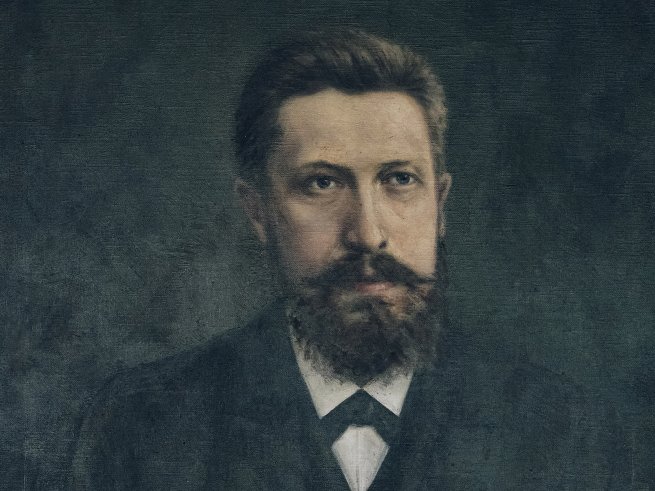
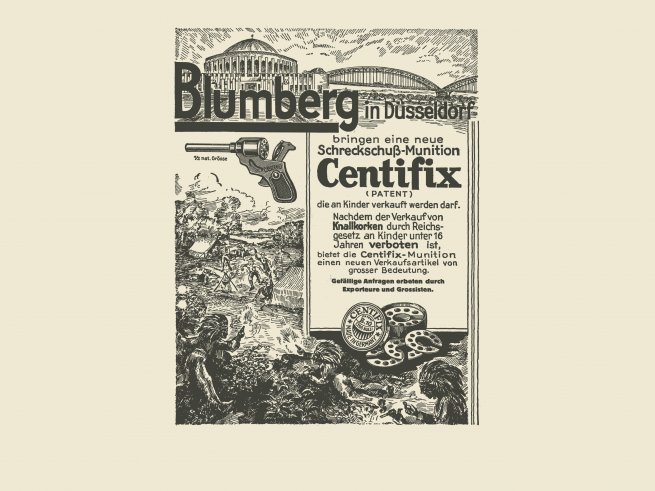
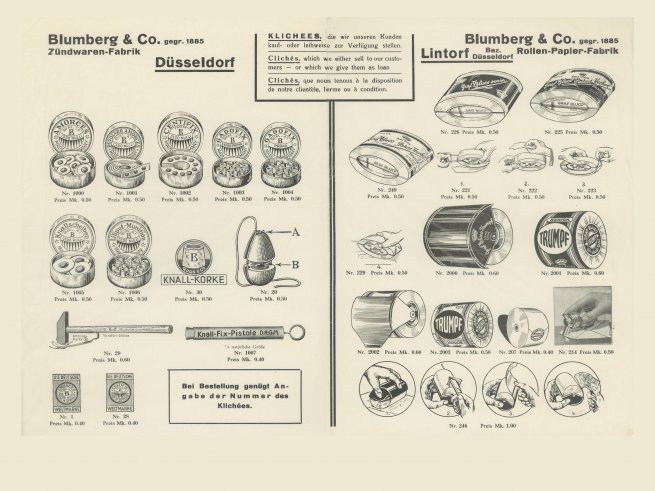
Theodor Blumberg established his factory in Düsseldorf for the production of 'amorces' and other ignition products, specifically caps for mining lamps and toy pistols. The company later expanded into fireworks, exporting extensively to international markets including China, India, and the rest of Europe.
-
1896
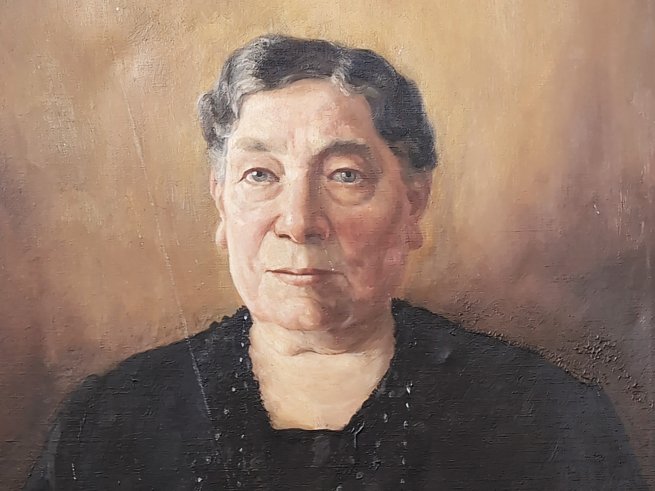
Übergang der Unternehmensführung an Ottilie Blumberg
After the death of Theodor Blumberg (aged 39), his wife Ottilie assumed leadership. She managed the firm for several years while their son Carl, then only 15, completed his upbringing and education.
-
1910
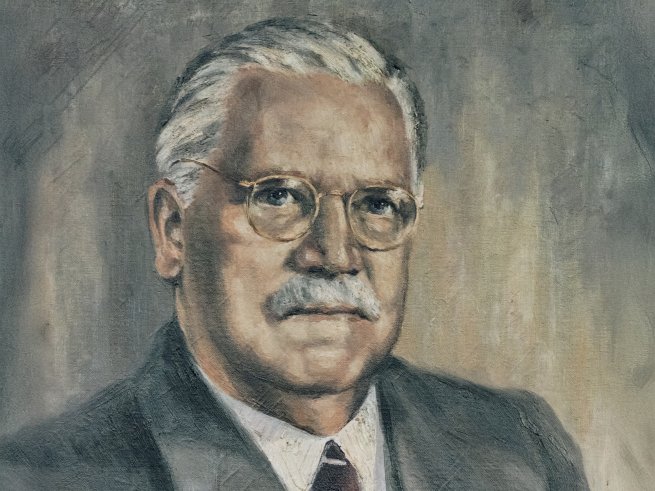
Carl Theodor Blumberg übernimmt die Firmenleitung
Carl Blumberg took over the official management of the firm. This transition followed a difficult period: in 1909, the year before he took charge, a major explosion triggered by spontaneous ignition had resulted in the tragic death of a staff member.
-
1919
Erweiterung durch einen zusätzlichen Standort
The company expanded through the acquisition of a plant in Leichlingen. Two years later, a severe accident occurred at the site resulting in 14 fatalities; the exact cause of the incident was never fully determined.
-
1925
Umzug nach Ratingen und Sortimentserweiterung
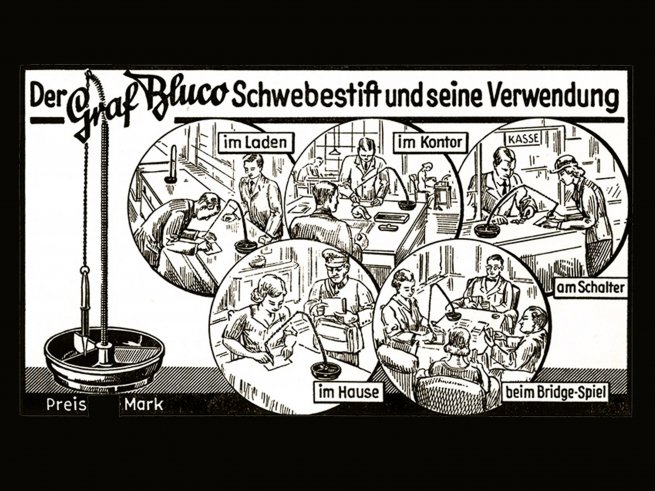
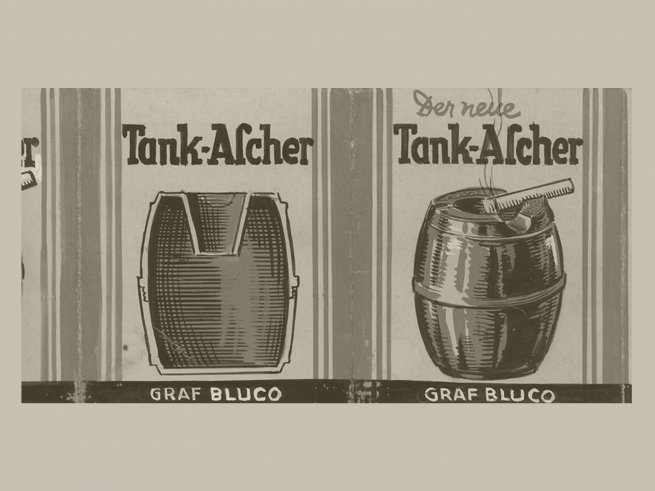
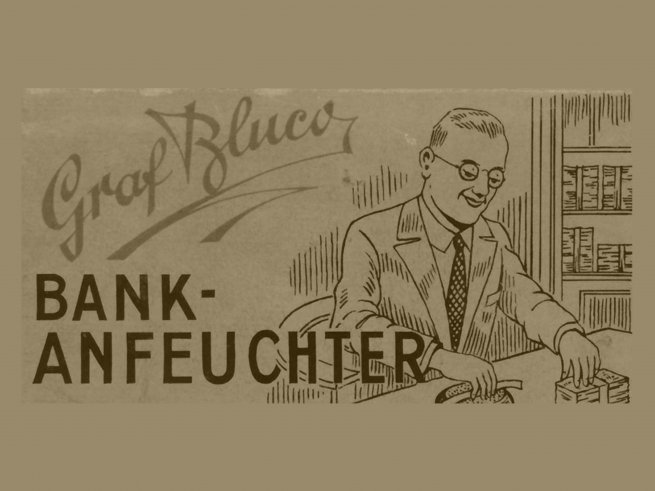
After acquiring a decommissioned factory, the company relocated to what was then Angermunder Straße (now Kalkumer Straße) in Ratingen. Production shifted increasingly toward paper products—including rolls for adding machines and cash registers, wardrobe rolls, and wrapping paper—as well as party supplies like streamers and confetti. Simultaneously, the company began processing and molding Bakelite, the first synthetic plastic. Utilizing this material, they manufactured high volumes of office supplies and everyday items, such as pen trays, inkwells, calendar stands, vases, and ashtrays.
-
1930
Erster Tintenlöscher
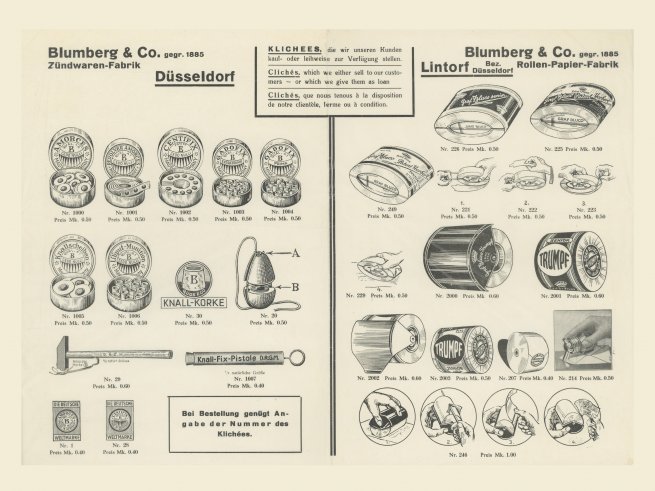
The product range was expanded to include innovative office supplies: the company developed the first 'double-rocker' ink blotter, followed by the 'Graf-Bluco' rotary blotter ('Piccolo' model), which featured a roll-based design.
-
1934
Großfeuer zerstört den Maschinenpark und alle Gebäude brennen ab
A devastating fire completely destroyed the company's buildings and machinery. Through extreme collective effort, operations were remarkably restored and production resumed after a hiatus of only eleven months.
-
1939
-1945Zweiter Weltkrieg
During the war years, the company supplied 'skin decontamination bottles' to the Wehrmacht. Due to the circumstances of the war, parts of the operation had to be relocated to Liebenwalde, near Berlin.
-
1945
Englische Truppen besetzen die Fabrik
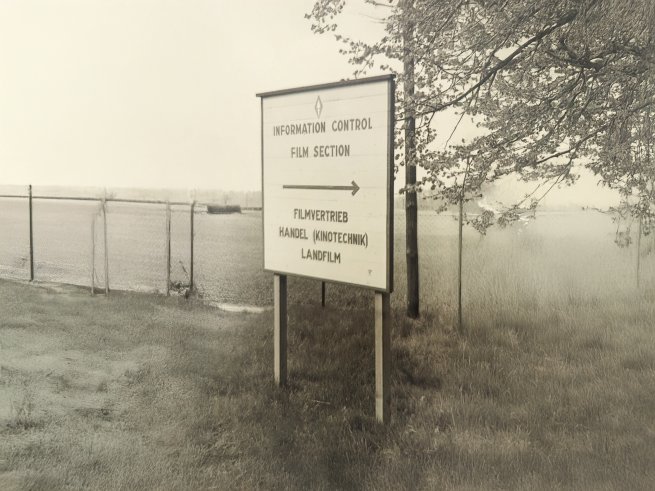
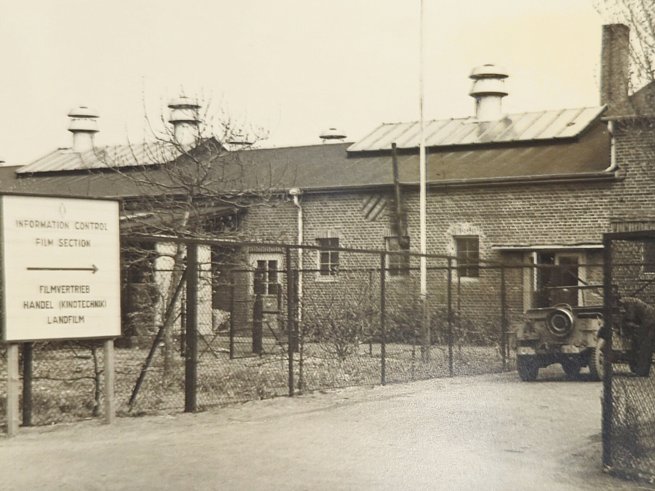
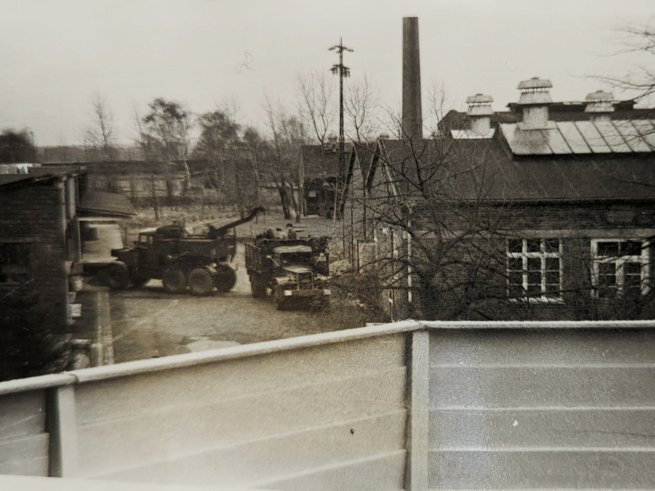
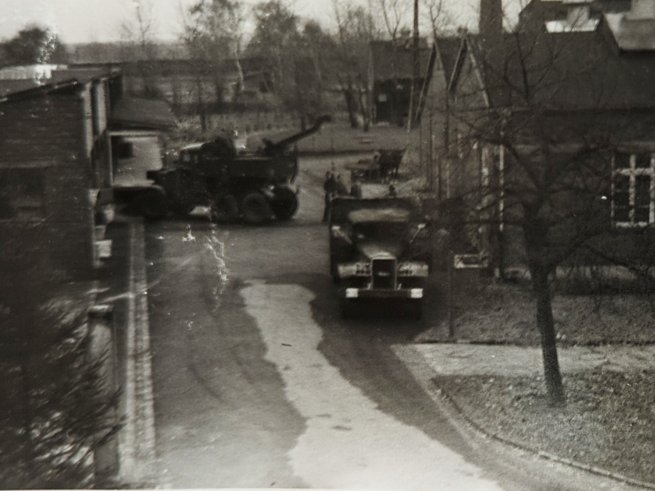
In May, British troops occupied the factory grounds. They established the 'INFORMATION CONTROL FILM SECTION' office on the premises, utilizing the space to operate their own cinema and bar.
-
1947
Demontage und Neuausrichtung des Unternehmens
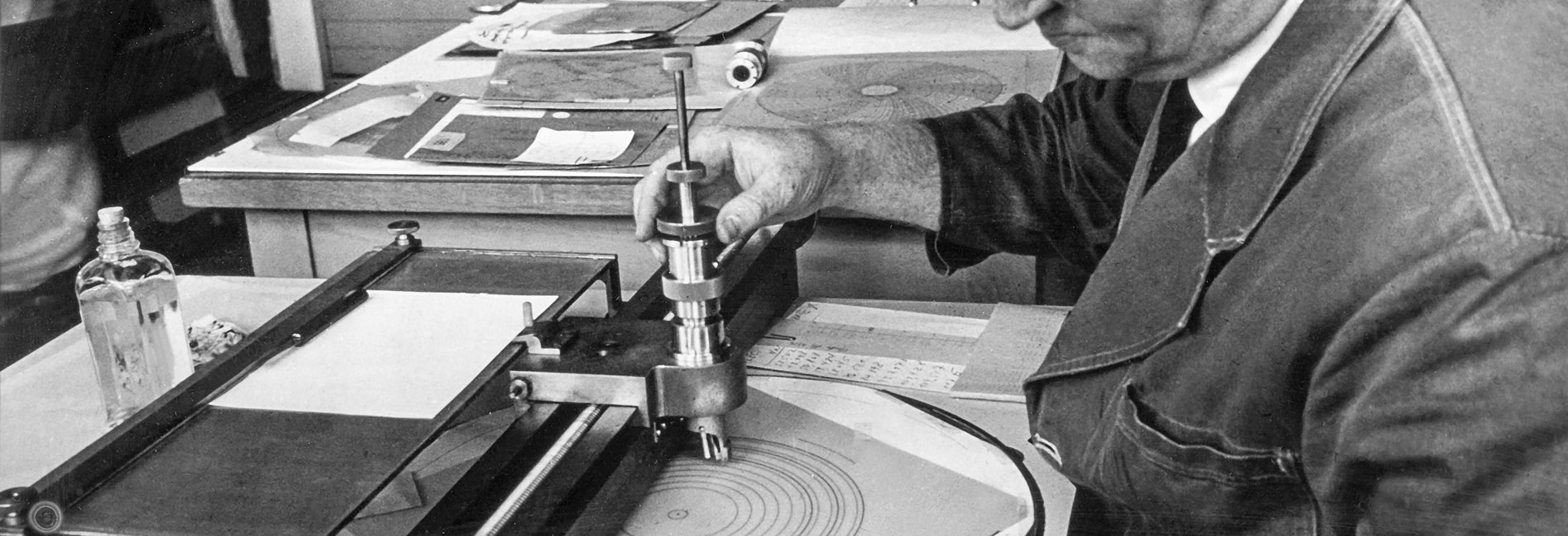
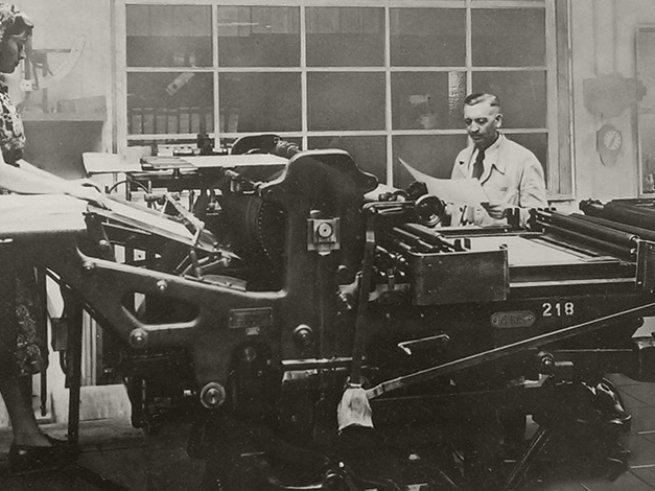
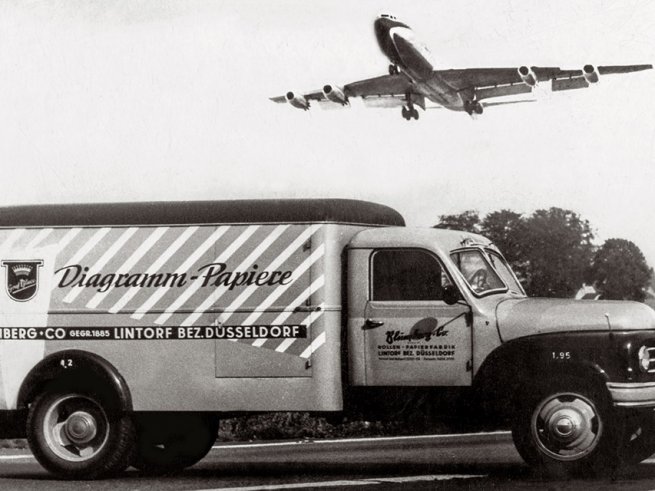
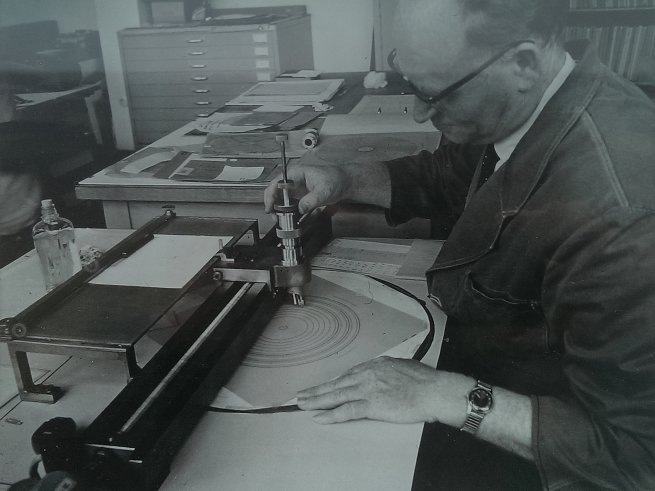
The company became the first business in Germany to fall victim to dismantling by the occupying forces. The entire machinery park for the production of toy caps ('Amorces') was transported to England. This was triggered by a translation error: 'Amorces' was incorrectly interpreted as 'Pyrotechnics' (explosives), a category of machinery specifically listed for dismantling. It later emerged that a British competitor had influenced this measure through bribery to acquire the machines for themselves. In the wake of this loss, the company pivoted to the production of chart papers, which are used in ECG machines, truck tachographs, and temperature recorders for blast furnaces.
-
1953
Theodor Blumberg übernimmt die Firmenleitung
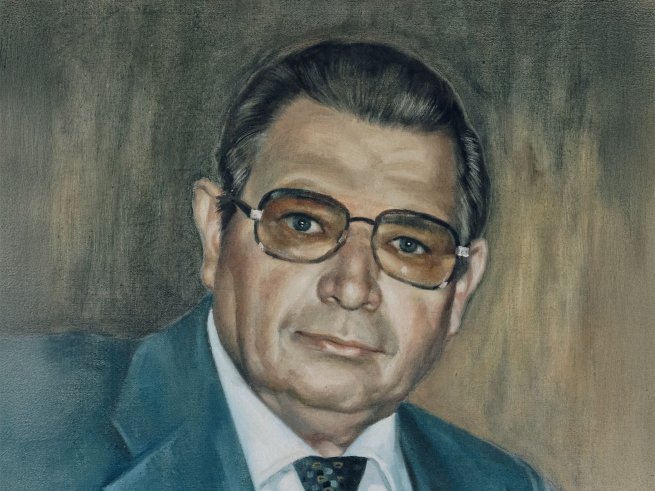
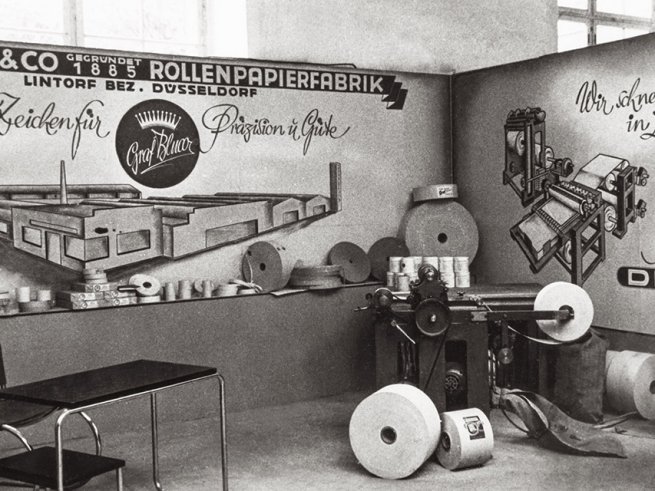
Following the death of Carl Blumberg, his son Theodor assumed leadership of the company. He expanded the production of continuous stationery, as well as telex and fax rolls. Furthermore, the company became the first licensee in Europe to begin the coating of thermal papers.
-
1970
Internationale Expansion nach Frankreich
The company expanded further by acquiring the 'Controle Graphique' production plant near Paris.
-
1979
Übergang der Geschäftsführung an Carl Blumberg
Following the death of Theo Blumberg, Carl Blumberg took over the leadership of the family business in its fourth generation.
-
1995
Einstieg in den Bereich Selbstklebeetiketten
Through the acquisition of production facilities from E. Holtzmann & Cie., the company entered the self-adhesive label market. The portfolio was expanded to include pressure-sensitive laminates, lottery rolls, parking tickets, and rolls for parking citations. A major technological milestone was the development of 'linerless labels,' which do not require a backing material, thereby significantly reducing resource consumption.
-
2016
Unternehmensübergabe an Alexander Blumberg
The company was passed to Alexander Blumberg, who now leads the organization.

We make paper do what you want
Our qualified team offers you a wide range of paper configurations tailored to your needs.
Timo Derichs